
Email List Building for B2B: Quality over Quantity
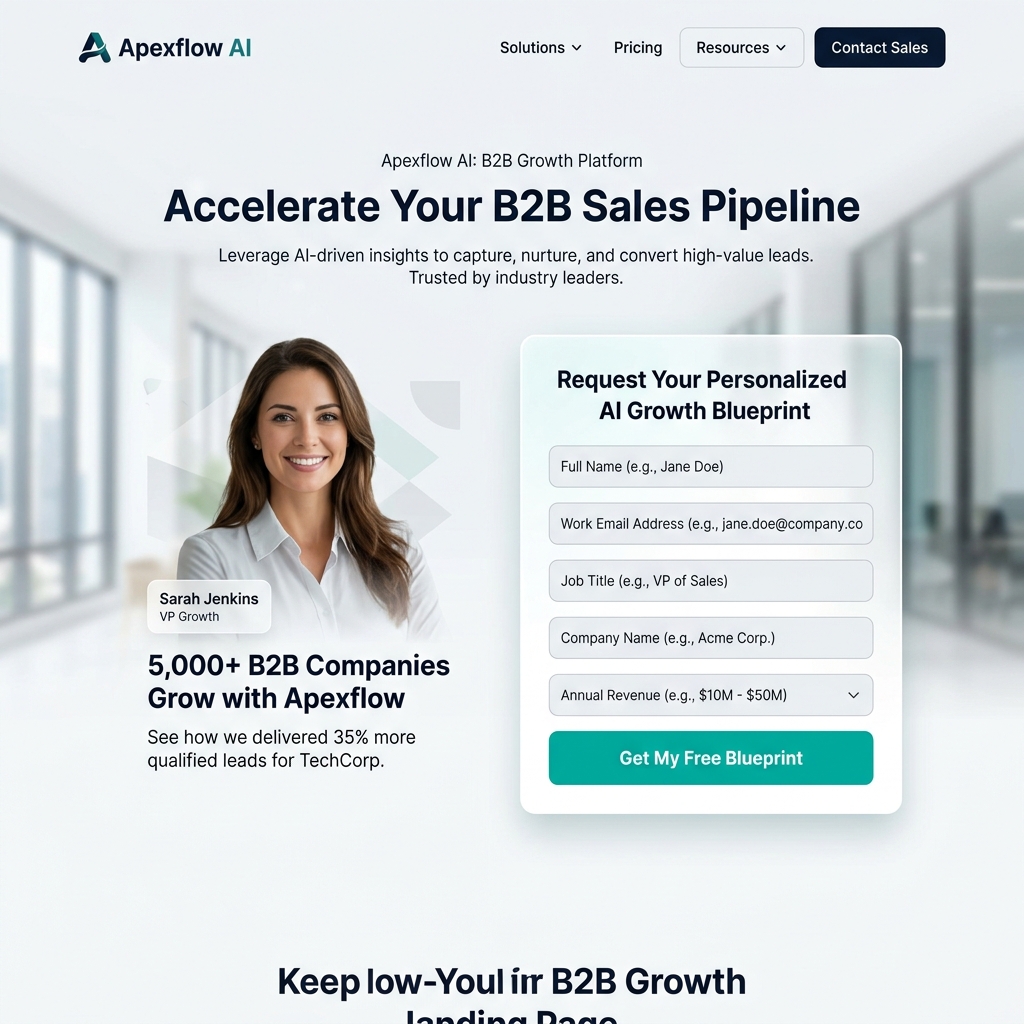
A list of 5,000 uninterested strangers is not an asset. It’s a liability you’re paying for every month.
B2B email marketing has a problem that nobody wants to admit: most companies are building lists of people who will never buy from them. They chase volume like it’s a scoreboard, and then they wonder why their campaigns feel like shouting into a void. But the businesses that win in B2B aren’t the ones with the biggest lists. They’re the ones with the most relevant ones.
The real goal isn’t to accumulate contacts. It’s to earn a place in the inbox of someone who actually has a problem you can solve.
Want a B2B list built on intent, not guesswork? Start capturing high-value leads who want to hear from you. Try Taildove for free
Think about what it means to get a cold email from someone you’ve never heard of, promoting a product you didn’t ask about. Now think about the last time you signed up for something because it gave you exactly what you needed in that moment — a template, a framework, a piece of research you were going to have to write yourself. That second experience is the foundation of B2B list building done right. You’re not interrupting someone; you’re becoming useful to them before they’re even a customer.
Why Quality Is Everything in B2B
B2B buying cycles are slow and expensive. A single wrong contact wastes hours of your sales team’s time and quietly corrodes your sender reputation with every ignored email. A single right one can turn into a five-figure contract and years of relationship. The asymmetry is enormous.
When you’re building for quality, you’re also protecting something you can’t easily repair: your domain’s standing with inbox providers. Send to enough people who don’t want to hear from you, and Gmail starts routing you to spam — not just for those contacts, but for everyone.
3 Strategies That Actually Work
-
Create lead magnets that feel like consulting, not content. Generic e-books and “ultimate guides” get downloaded and forgotten. What actually earns an email address from a decision-maker is something that saves them real time or solves a real pain: a financial model template, a vendor comparison sheet, a checklist they’d otherwise have to build themselves. The more specific the problem it solves, the more specific — and valuable — the audience it attracts.
-
Put your sign-up offers where the intent already exists. A person reading your blog post about email deliverability is already interested in the topic. Offering them a deliverability audit checklist inside that post converts far better than a generic “subscribe for updates” banner in your footer. Place your lead capture where the conversation is already happening, and the sign-up feels natural rather than transactional.
-
Use events and professional networks as trust amplifiers. Webinars, virtual workshops, and LinkedIn Lead Gen Forms don’t just collect email addresses — they collect email addresses from people who have already invested some attention in you. That initial investment changes the quality of the relationship before your first email even lands. Someone who watched your 45-minute session is not the same subscriber as someone who clicked a popup.
Keeping Your B2B List Healthy
Building the list is only half the work. The other half is maintaining it so your best contacts don’t get buried in noise.
Use double opt-in from the start. It filters out bots, typos, and ambivalent signups — the three biggest sources of list decay. Ask one qualifying question at sign-up, like role or company size. It takes thirty seconds and lets you send more relevant content from day one, which means better engagement from week one.
And don’t be sentimental about inactive subscribers. If someone hasn’t opened or clicked anything in six months, they are not a potential customer — they’re a drag on your deliverability. Run a re-engagement sequence, and if they don’t respond, let them go. A smaller, active list will always outperform a bloated, disengaged one.
The Long Game Wins
B2B list building rewards patience. It rewards the business that creates something genuinely useful and trusts that the right people will find it. It punishes the shortcut — the purchased list, the scraped contact, the aggressive popup that captures anyone with a pulse.
The companies that understand this stop thinking of their list as a number and start thinking of it as a community. They build slowly, they qualify deliberately, and they show up consistently with something worth reading. That’s how a B2B email list becomes a real competitive advantage.
[!IMPORTANT] Grow with Taildove Experience a simpler, more effective way to capture and nurture your B2B leads. Try Taildove for free today
Ready to boost your deliverability?
Join 2,000+ businesses sending better email with Taildove.